
When it comes to protecting your child’s smile, prevention is everything. Cavities remain one of the most common chronic conditions in children, but the good news is that many cases are preventable. One of the most effective and widely recommended preventive treatments in pediatric dentistry is dental sealants.
At Falcon Pediatric Dentistry, we believe in empowering parents with the knowledge they need to make confident decisions about their child’s oral health. In this guide, we’ll break down everything you need to know about dental sealants—how they work, their benefits, and whether they’re worth it for your child.
What Are Dental Sealants?
Dental sealants are thin, protective coatings made from a safe plastic or resin material that are applied to the chewing surfaces of the back teeth (molars and premolars). These areas are especially prone to cavities because of their deep grooves and pits, which can trap food particles and bacteria.
Sealants act as a barrier, preventing plaque and food from settling into these grooves and causing decay.
Why Are Sealants Important for Children?
Children are particularly vulnerable to cavities because:
- Their brushing habits may not be fully developed
- Molars have deep grooves that are difficult to clean
- They may consume more cavity-causing foods and drinks
According to dental health experts, sealants can reduce the risk of cavities in molars by up to 80%. That makes them one of the most effective preventive treatments available.
How Are Dental Sealants Applied?
The process is quick, painless, and non-invasive. Here’s what you can expect:
- Cleaning the Tooth – The dentist thoroughly cleans the tooth to remove any debris or plaque.
- Preparation – A special solution is applied to help the sealant bond to the tooth.
- Application – The sealant is painted onto the tooth surface.
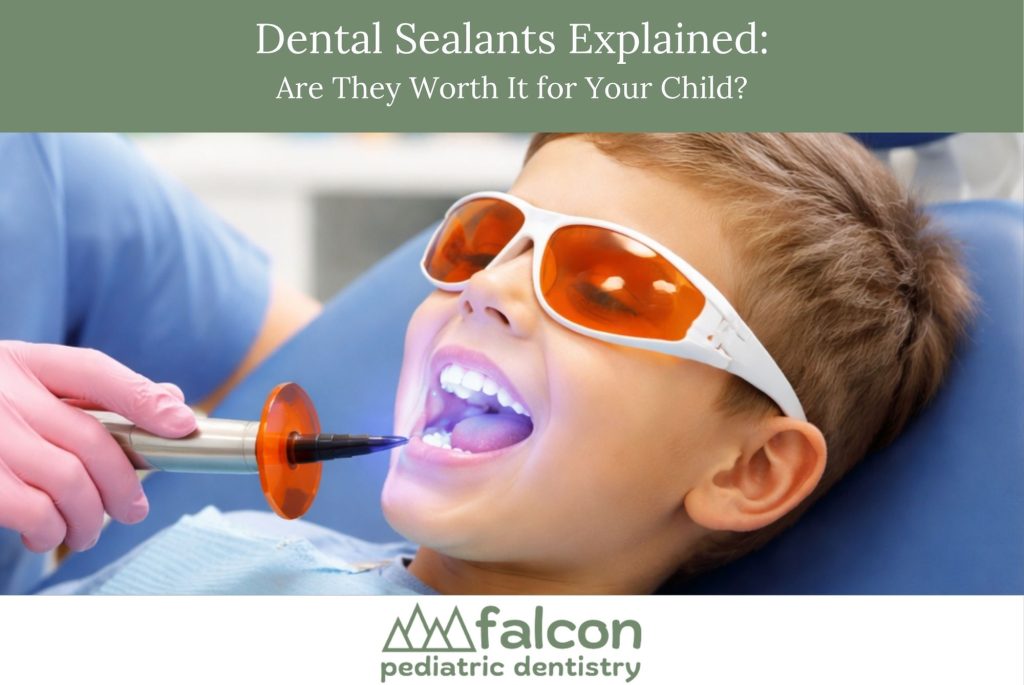
- Curing – A special light hardens the sealant, forming a durable shield.
The entire process usually takes just a few minutes per tooth, and there’s no need for anesthesia or drilling.
Are Dental Sealants Safe?
Yes, dental sealants are considered extremely safe. They have been used for decades and are approved by major health organizations, including the American Dental Association (ADA).
The materials used are non-toxic and specifically designed for dental use. For parents concerned about BPA, studies show that any exposure from sealants is minimal and well within safe limits.
How Long Do Sealants Last?
Dental sealants can last anywhere from 5 to 10 years with proper care. During regular dental checkups, your child’s dentist will monitor the sealants and reapply them if necessary.
Do Sealants Replace Brushing and Flossing?
No—sealants are not a substitute for good oral hygiene. They are an added layer of protection.
Children should still:
- Brush twice daily with fluoride toothpaste
- Floss daily
- Visit the dentist regularly
- Maintain a balanced, low-sugar diet
Are Dental Sealants Worth It?
In most cases, yes—absolutely.
Sealants are:
- Cost-effective compared to treating cavities
- Quick and painless to apply
- Highly effective in preventing tooth decay
When you consider the cost, time, and discomfort associated with fillings or more extensive dental treatments, sealants are a smart investment in your child’s long-term oral health.
When Should My Child Get Sealants?
Sealants are typically recommended when:
- Permanent molars first come in (around ages 6–7)
- Second molars appear (around ages 11–13)
However, every child is different. A pediatric dentist can evaluate your child’s risk for cavities and recommend the best timing.
Signs Your Child May Benefit from Sealants
Your child may be a good candidate if they:
- Have deep grooves in their molars
- Are prone to cavities
- Have difficulty maintaining thorough brushing habits
- Frequently consume sugary or starchy foods
Q&A: Dental Sealants for Kids
Q: Do sealants hurt?
A: Not at all. The procedure is completely painless and does not require drilling or numbing.
Q: Can sealants be applied to baby teeth?
A: Yes, in some cases. If baby teeth have deep grooves and are at risk for decay, sealants may be recommended.
Q: Will my child feel the sealants on their teeth?
A: Initially, they may notice a slight difference, but it typically goes unnoticed after a short time.
Q: Are sealants covered by insurance?
A: Many dental insurance plans cover sealants for children, especially for permanent molars. It’s best to check with your provider.
Q: Can sealants fall off?
A: Sealants can wear down over time, but your dentist will check them during routine visits and reapply if needed.
Q: Do sealants protect against all cavities?
A: Sealants protect the chewing surfaces of molars, but cavities can still form in other areas if proper oral hygiene is not maintained.
Q: How do I know if my child needs sealants?
A: A pediatric dentist can assess your child’s teeth and recommend sealants based on their cavity risk.
Protect Your Child’s Smile Today
Preventive care is one of the best gifts you can give your child. Dental sealants are a simple, effective way to reduce the risk of cavities and support lifelong oral health.
At Falcon Pediatric Dentistry, we specialize in gentle, compassionate care tailored to children of all ages. Our team is here to guide you every step of the way.
Contact Us Today!
Falcon Pediatric Dentistry
📍 11555 Meridian Market View
Falcon, CO 80831
📞 Phone: (719) 749-9001
🌐 Visit our website: falconpediatricdentistry.com
📅 Book An Appointment